June 4, 1985-April 1, 2016
Sergeant Adam Cory Nadiak joined the United States Army right out of high school in 2003. He manned the border of North and South Korea and served as a Sergeant in the Afghanistan War. He flourished in the military and was Soldier of the Year for the 67th Signal Battalion in 2005. He later worked as a contractor in Iraq before securing a position with FlightSaftey International as an IT Security/Disaster Recovery Analyst.
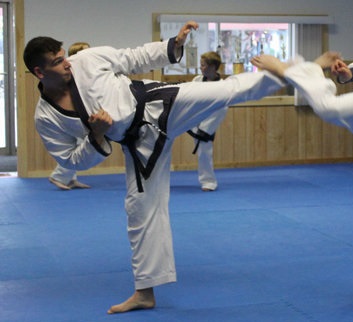 Sgt. Nadiak enjoyed sport shooting, golf, working on computers and training in Soo Bahk Do Moo Duk Kwan martial arts which he had been involved with since he was a small child. He trained with some of the most established martial artists in the world during his time in Korea. Despite a back injury sustained during his service which required relief from VA prescribed prescription painkillers, he tried his best to remain an active martial artist and took home a grand championship trophy in team forms (one of many other trophies he had acquired during his lifetime) during the Nationals Competition in California in 2009. As a 3rd Dan Black Belt, he had signed up to begin training for his Master’s belt.
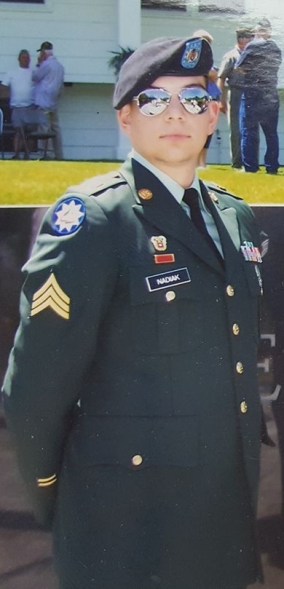 Unfortunately, Adam also struggled with mental health issues as a result of his service such as Post Traumatic Stress Disorder, also known as PTSD, and anxiety, which he mostly kept to himself. He had a deep and goofy laugh and a smile that shined when he was genuinely happy and temporarily let his guard down. Despite his disciplined upbringing in the martial arts and continued structure in the military, on April 1, 2016, almost 10 years after he left the military, Adam lost his battle with his prescription painkiller addiction at the age of 30.
Fellow veterans have noted that this should not and does not discredit the stellar service he gave to his country and only serves as an unfortunately common testament to the sacrifices our military, both active duty and veteran, make on a daily basis for the sake of our country’s liberty and freedoms.
Before he passed, he had told family that those he had served with-those who came home-we’re starting to commit suicide. He would say that it seemed like there was another friend passing whenever he would turn around. He was beginning to lose those who understood him more than anyone else.
After Adam’s passing, fellow soldiers began reaching out to his family–they wanted to know what had happened and wanted to express how Adam was the only one who could make his buddies laugh overseas, a trait that explained his off-color sense of humor, something he had trouble censoring, upon returning home.
Adam’s life continues to live on. His family has established a scholarship at SUNY Ulster, their local community college in New York, to raise awareness to the struggles our veterans face on a daily basis. He is also the inspiration behind Those Who Came Home.
 THOSE WHO CAME HOME